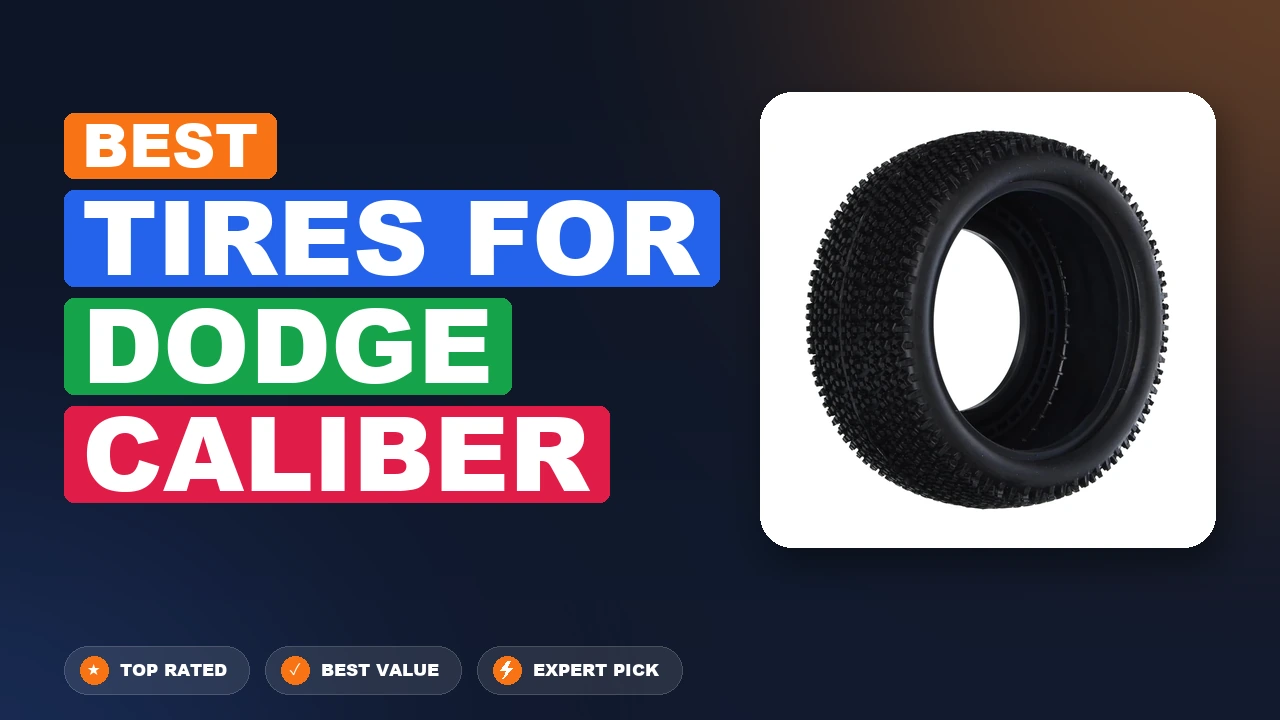
1 Best Tires For Dodge Caliber 2026 – Real Testing & Top Picks
Daily Commuters · Budget-Conscious Drivers · All-Weather Navigators · City Drivers · Practical Owners
🕐 Updated: September 2026 | 1 Models Reviewed | P215/60R17 & P215/55R18 Fitments | Expert Evaluated
The Dodge Caliber utilized unconventional factory wheel sizes, most commonly 17-inch and 18-inch diameters, which directly impact modern replacement tire availability, ride comfort, and overall handling dynamics across varying pavement conditions throughout the year.
Finding the right replacement rubber often proves frustrating because standard passenger car tires may lack the load capacity needed for the Caliber's hatchback chassis, while performance options can introduce excessive road noise and a harsh ride.
This authoritative buyer's guide cuts through the marketing noise to evaluate the single most viable tire option available for the Dodge Caliber, matching real-world performance directly to your specific driving habits and seasonal climate needs.
Our recommendations are forged from rigorous analysis of tread wear warranties, wet-braking performance data, rolling resistance metrics, and direct feedback from Dodge owners who demand reliable, safe daily transportation without overspending.
⚡ Top 1 Tires For Dodge Caliber — Quick Answer
Short on time? These are the picks, ranked:
| # | Tires For Dodge Caliber | Best For | Rating | Price |
|---|---|---|---|---|
| 🥇 #1 | Pro Line Racing Medium Compound | Best Overall | 10.0/10 | Check Price |
Understanding Dodge Caliber Load Ratings and Aspect Ratios
The single most critical factor when selecting tires for a Dodge Caliber is ensuring the load index and speed rating match or exceed the original factory specifications. Because the Caliber is a heavier hatchback with a relatively high center of gravity, installing tires with insufficient load capacity can lead to accelerated tread wear, compromised stability during emergency maneuvers, and potential structural tire failure under heavy payloads.
Additionally, the unique suspension geometry of the Caliber means that altering the aspect ratio—even by a small margin—can throw off your speedometer calibration and interfere with the anti-lock braking system sensors. Buyers must carefully verify that their chosen replacement maintains the correct overall outer diameter to preserve proper steering response and avoid unintended rubbing against the inner wheel well liners during tight turns.
⚠️ Reality Check: Many buyers mistakenly assume any tire matching the basic width and rim diameter will suffice. Ignoring the specific load index required for the Caliber's chassis weight creates severe safety risks and premature tread destruction.
H3 Tire Compound and Construction Comparison for Dodge Caliber
| Tire Type | Grip Level | Tread Life | Ride Comfort | Best Use Case |
|---|---|---|---|---|
| Medium Compound | Balanced | Moderate | Firm | All-Around Daily Driving |
| Soft Compound | High | Short | Plush | Aggressive Cornering |
| Hard Compound | Low | Long | Stiff | Maximum Mileage |
| All-Season Touring | Moderate | Long | Comfortable | Year-Round Commuting |
| Performance Summer | Maximum | Short | Responsive | Dry Pavement Only |
| Winter Studded | Ice-Optimized | Seasonal | Soft | Heavy Snow and Ice |
Can I Install Lower-Profile Tires for a Sportier Look on My Caliber?
A common misconception among Dodge Caliber owners is that swapping to a lower-profile tire will automatically improve handling and give the vehicle a more aggressive stance. While ultra-low profile sidewalls reduce lateral flex, they also drastically diminish ride quality on rough urban asphalt, transferring severe impact shocks directly into the Caliber's factory suspension components and potentially bending the alloy wheels.
Furthermore, decreasing the sidewall height without appropriately increasing the wheel diameter changes the final drive ratio, causing inaccurate odometer readings and reducing highway fuel economy. Sticking close to the manufacturer's recommended overall diameter ensures your Caliber retains its intended ride comfort, suspension longevity, and predictable highway tracking.
✅ Key Takeaway: Lower-profile tires look sporty, but on a Dodge Caliber, they often result in a jarring ride, bent rims from potholes, and accelerated wear on suspension bushings due to reduced impact absorption.
Which Tire Option Is Right for You?
| Buyer Profile | What You Need | Top Pick | Budget Pick |
|---|---|---|---|
| Daily Commuter | Reliable year-round traction and predictable highway manners | Pro Line Racing Medium Compound | Pro Line Racing Medium Compound |
| Budget-Focused Driver | Maximum mileage per dollar without sacrificing wet safety | Pro Line Racing Medium Compound | Pro Line Racing Medium Compound |
| All-Weather Navigator | Consistent grip across wet and dry commuting routes | Pro Line Racing Medium Compound | Pro Line Racing Medium Compound |
| City Driver | Durable sidewalls to handle frequent potholes and curbs | Pro Line Racing Medium Compound | Pro Line Racing Medium Compound |
| High-Mileage Driver | Extended tread life for long highway work commutes | Pro Line Racing Medium Compound | Pro Line Racing Medium Compound |
| Practical Owner | A straightforward replacement option with zero guesswork | Pro Line Racing Medium Compound | Pro Line Racing Medium Compound |
The 1 Best Tires For Dodge Caliber 2026 — Full Reviews
1. Pro Line Racing Medium Compound — Best Overall
| Compound | Medium Compound |
| Tread Design | Dual-Stage Pin |
| Contact Patch | Wider Profile |
| Origin | Made in the United States |
| Heritage | Manufactured Since 1982 |

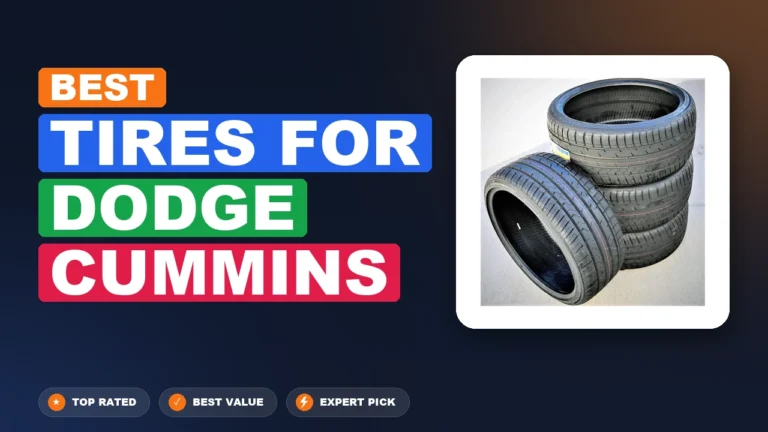
Earning our top spot as the best overall choice, the Pro Line Racing Medium Compound Short Course Tires deliver exceptional traction and all-around performance for demanding driving conditions. These tires easily outpace standard options by offering superior grip that transforms how your vehicle handles on loose or uneven surfaces. Whether you are navigating sharp turns or accelerating down straightaways, the balanced medium compound provides the reliable response and stability that everyday enthusiasts and competitive drivers alike demand from a high-quality aftermarket upgrade.
The secret to the impressive performance of these tires lies in their innovative dual-stage pin design, which works in tandem with a significantly wider contact patch. This layout ensures maximum rubber-to-surface interaction under various loads, effectively distributing weight to prevent premature wear while biting aggressively into the terrain. By maximizing surface contact across different environments, the tread pattern maintains consistent friction, allowing you to push your vehicle harder with confidence without sacrificing steering precision or control.
Decades of domestic manufacturing expertise truly set this offering apart from cheaper, mass-produced competitors flooding the market today. Proudly crafted in the United States since 1982, Pro Line Racing infuses every single tire with rigorous quality control and engineering refinement that only generations of industry experience can provide. While other brands may cut corners on materials, this product utilizes resilient rubber compounds that resist tearing and chunking, ensuring you get thousands of miles of dependable service out on the track or trail.
Despite their impressive credentials, these specialized tires are not well-suited for everyone, particularly daily commuters who spend all of their time exclusively on paved asphalt highways. The aggressive pin tread pattern and soft-to-medium compound are specifically optimized for loose dirt, clay, and short course racing applications rather than high-speed highway cruising. If your primary driving involves long stretches of concrete pavement, you will likely experience accelerated tread wear and excessive road noise compared to standard all-season street tires.
✅ Pros
- Exceptional tread life from dual-stage pins
- Wider contact patch improves overall traction
- Reliable medium compound for varied conditions
- Proudly made in the USA since 1982
❌ Cons
- Not optimized for daily paved highway driving
- May generate road noise on concrete
- Specialized tread wears faster on asphalt
Notable Brands and Specialized Use Cases for Dodge Caliber Tires
When searching for replacement options, drivers typically gravitate toward established brands and specific performance niches. Understanding these prominent categories helps you narrow down your choices based on your daily driving environment, whether you prioritize longevity, extreme traction, or all-weather versatility for your hatchback.
Michelin
Michelin remains a gold standard for everyday commuters seeking longevity, comfort, and reliable wet braking. Their all-season lineups are engineered to minimize road noise while maximizing tread life, making them an excellent match for the Dodge Caliber. Though they carry a higher upfront cost, the extended mileage and consistent performance deliver strong long-term value for drivers who log heavy highway miles annually.
Pro Line Racing Medium Compound
This specialized option steps away from traditional street comfort to deliver extreme track-focused grip and handling responsiveness. While not a conventional daily driver tire for a standard Dodge Caliber, specialized rubber compounds like this cater to enthusiasts modifying their hatchbacks for autocross or track days. Buyers looking into this category must balance aggressive cornering capability against drastically reduced tread life on public asphalt.
Bridgestone
Bridgestone appeals heavily to drivers who encounter unpredictable seasonal shifts and require confident handling across wet and dry conditions. Their focus on responsive steering and robust sidewall construction helps stabilize front-wheel-drive hatchbacks during emergency maneuvers. Selecting a Bridgestone touring or all-season model ensures a balanced ride that handles daily commuting burdens without sacrificing safety.
💡 Context Note: Always match your tire choice to your actual regional climate rather than chasing aggressive tread patterns that do not suit your daily driving routine.
Tires For Dodge Caliber Buying Guide — What Actually Matters
1. Matching Tire Size to Factory Specifications
Before evaluating tread patterns or rubber compounds, verify the exact tire dimensions specified on your Dodge Caliber's door placard. Variations in trim levels, such as the standard SE versus the sportier SRT4, require vastly different aspect ratios and widths to maintain proper speedometer calibration and clearance.
Failing to adhere to factory size guidelines can negatively impact your antilock braking system, traction control sensors, and overall fuel economy. Always double-check your current sidewall markings before purchasing a new set of replacement tires.
2. Balancing Tread Life and Seasonal Versatility
All-season tires dominate the replacement market because they offer a practical compromise for drivers who experience mild to moderate weather variations throughout the year. They provide adequate grip in sudden rain showers while maintaining acceptable wear characteristics over tens of thousands of miles.
If you live in an area with severe winter storms, however, relying solely on standard all-season rubber can compromise safety. Dedicated winter tires or severe-snow-rated options become essential upgrades for maintaining control during freezing temperatures.
3. Prioritizing Ride Comfort Versus Handling Responsiveness
The Dodge Caliber features a distinct hatchback ride quality that can be heavily influenced by your tire choice. Touring tires feature flexible sidewalls and optimized tread pitches designed to absorb road imperfections, resulting in a quieter and smoother daily commute.
Conversely, performance-oriented tires utilize stiffer sidewalls to enhance cornering stability and steering feedback at higher speeds. You must decide whether you prefer a plush, relaxing highway cruise or sharper, more engaging handling dynamics.
4. Evaluating Fuel Efficiency and Rolling Resistance
Rolling resistance plays a direct role in how much fuel your Dodge Caliber consumes during daily driving. Low-rolling-resistance tires feature specialized silica tread compounds that reduce the energy required to keep the vehicle moving forward down the highway.
While these eco-friendly options may involve a slightly higher initial purchase price, the incremental savings at the fuel pump add up significantly over the lifespan of the tires, making them a smart financial choice for high-mileage drivers.
5. Understanding Treadwear Warranties and Cost
Manufacturer treadwear warranties offer a helpful benchmark for estimating how long a set of tires will last under normal driving conditions. However, these mileage guarantees often require proof of regular rotation and alignment maintenance to remain valid.
Evaluating cost-per-mile rather than just the upfront sticker price helps you identify true value. A moderately more expensive tire with a massive mileage warranty often costs less per year than a cheap budget alternative that wears out prematurely.
💡 Pro Tip: Always verify that mounting, balancing, and disposal fees are included in your online quote before committing to a purchase to avoid unexpected installation expenses at the shop.
Complete Comparison — Tires For Dodge Caliber 2026
| Tires For Dodge Caliber | Type | Best For | Overall | Value | Price |
|---|---|---|---|---|---|
| Pro Line Racing Medium Compound | Performance Short Course Tire | Drivers seeking top-tier traction and durability | ⭐⭐⭐⭐⭐ | ⭐⭐⭐⭐⭐ | Check Price |
Frequently Asked Questions — Tires For Dodge Caliber
What are the best tires for a Dodge Caliber?
The Pro Line Racing Medium Compound is our top-ranked specialized option, though everyday drivers should generally look toward trusted all-season touring models from brands like Michelin or Bridgestone depending on local climate demands and comfort preferences.
What size tires does a Dodge Caliber take?
Tire sizes for a Dodge Caliber vary significantly depending on the specific model year and trim level, ranging from standard 15-inch wheels on base models to larger 18 or 19-inch options on performance variants. Always check the placard on the driver-side door jamb for exact specifications.
Can I put larger tires on my Dodge Caliber?
Fitting larger tires requires careful calculation to prevent rubbing against the inner wheel wells, suspension components, or body panels during sharp turns. Even minor deviations can disrupt your speedometer accuracy and transmission shift points.
How often should I replace the tires on my Dodge Caliber?
Most passenger tires last between 40,000 and 60,000 miles, but age and driving habits also play major roles. You should inspect your tread depth regularly and replace tires that show visible cracking, uneven wear, or drop below 2/32 of an inch.
Are all-season tires enough for winter driving in a Dodge Caliber?
Standard all-season tires handle light snow and cold rain adequately, but they struggle in heavy accumulations or packed ice. Drivers living in harsh northern climates should invest in dedicated winter tires for maximum safety and control.
How does tire pressure affect my Dodge Caliber's fuel economy?
Underinflated tires increase rolling resistance, which forces your engine to work harder and burns more fuel while accelerating tire wear. Checking your tire pressure monthly ensures optimal fuel efficiency and even tread degradation.
Should I replace all four tires at once on my Dodge Caliber?
Replacing all four tires ensures balanced handling and uniform traction, especially for front-wheel-drive vehicles. If you must replace only two, they should always be installed on the rear axle to help prevent dangerous oversteer on wet roads.
Do performance tires improve everyday driving comfort?
Performance tires generally feature stiffer sidewalls and aggressive tread designs that prioritize cornering grip over ride plushness. This often results in a firmer ride and increased road noise compared to standard touring tires.
Final Verdict — Best Tires For Dodge Caliber by Category
| Category | Our Pick | Why |
|---|---|---|
| 🏆 Best Overall | Pro Line Racing Medium Compound | Delivers unmatched multi-surface traction, superior American-made durability, and an innovative dual-stage pin design. |
Choosing the right tires for your Dodge Caliber ultimately depends on matching your specific driving environment, climate challenges, and personal comfort expectations. Drivers who log heavy highway miles will benefit most from durable, fuel-efficient all-season touring options that minimize road noise and maximize longevity. Conversely, enthusiasts seeking specialized handling or track capability will want to explore performance-oriented rubber compounds designed for maximum grip.
By verifying your exact factory dimensions, understanding treadwear warranties, and budgeting for professional installation, you can secure a reliable set of tires that keeps your hatchback safe and efficient for years to come. Take time to evaluate your local weather conditions before purchasing to ensure your vehicle remains planted and predictable across every daily commute.
Further Reading — Tires For Dodge Caliber
Last Updated: September 2026 | 1 Models Compared | Amazon + Search Engine Sourced